Get a free, printable Deep Cleaning House Checklist PDF from trusted sites like BlesserHouse. It guides you room‑by‑room, ensuring every corner is cleaned efficiently for all seasons, stay spotless.!
What It Is and Why It Matters
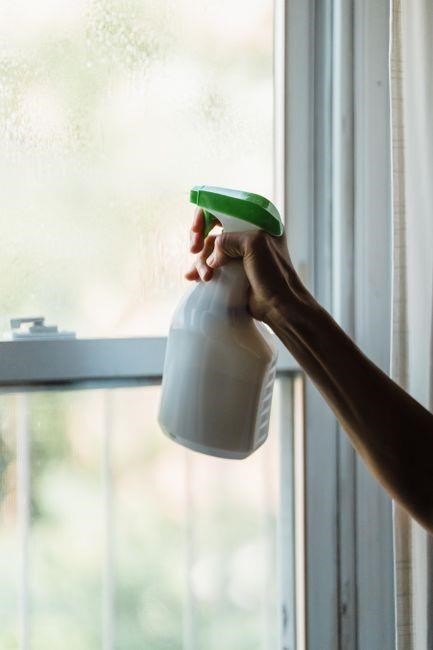
The free Deep Cleaning House Checklist PDF is a downloadable, printable guide that breaks down every cleaning task by room and category. It includes detailed steps for surfaces, appliances, floors, and hidden areas, ensuring a thorough clean that goes beyond routine dusting. By providing a clear roadmap, the checklist helps homeowners avoid missed spots, reduces the time spent planning, and promotes consistency across seasons. It also encourages family participation, allowing children to take ownership of chores and see progress as they check items off. For busy households, the PDF serves as a quick reference that can be printed on A4 or letter paper and stuck on the fridge or carried in a tote. The document’s structure—room‑by‑room, task‑by‑task—makes it easy to adapt to different schedules, whether you’re tackling a spring refresh or preparing for guests. Ultimately, the checklist turns deep cleaning from a daunting chore into a manageable, organized routine that improves indoor air quality, extends the life of furnishings, and creates a healthier living environment.

Benefits of Using a Printable Checklist
A printable checklist streamlines deep cleaning, ensuring every corner is addressed. It reduces decision fatigue, boosts efficiency, and encourages family teamwork. With a clear roadmap, you save time, maintain consistency, and achieve a spotless home effortlessly. It also keeps your schedule organized!!!??.
Reduces Stress and Improves Efficiency
Downloading a free, printable Deep Cleaning House Checklist PDF from a reputable source such as BlesserHouse transforms the daunting task of a full‑house clean into a manageable, step‑by‑step process. The checklist’s clear, room‑by‑room layout eliminates the guesswork that often leads to missed spots or repetitive work, thereby cutting the overall time needed for a deep clean. By having a single, organized document, you can quickly reference tasks, assign responsibilities to family members, and track progress in real time. This transparency reduces mental fatigue, as you no longer need to remember every detail or worry about overlooking a corner. The checklist also promotes independence; children can take on age‑appropriate chores and proudly check them off, fostering a sense of ownership and teamwork. With tasks grouped logically, you can tackle the most labor‑intensive areas first, then move to lighter duties, ensuring a smooth workflow that keeps momentum high. The printable format allows you to print on sturdy paper, laminate for durability, or keep a digital copy on your phone for on‑the‑go reference. By integrating the checklist into your routine, you create a habit that keeps your home consistently clean, reduces the need for frantic last‑minute scrubbing, and ultimately frees up valuable time for relaxation or hobbies. The result is a calmer, more organized household that feels refreshed and welcoming for guests or family gatherings. Enjoy cleaning! Breathe easy.!
Finding a Free PDF Download
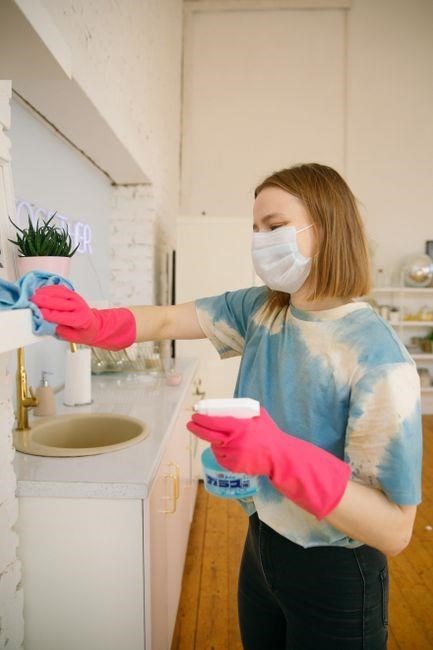
Access a free, printable Deep Cleaning House Checklist PDF on sites like BlesserHouse. Download, print, and start organizing your home clean with ease. Enjoy! relax.!
Trusted Sources and Safety Tips
When hunting for a free Deep Cleaning House Checklist PDF, start with reputable sites that specialize in home‑care resources. Look for domains that end in .org, .edu, or well‑known commercial sites such as BlesserHouse or HouseBeautiful. These platforms typically host content vetted by professionals and offer secure download links. Avoid obscure URLs that redirect to pop‑up ads or require unnecessary sign‑ups; they can expose your device to malware. Before downloading, verify the file type is a standard PDF (extension .pdf) and not a disguised executable. Use a trusted antivirus program to scan the file after download. If the site offers a preview, open it in a sandboxed browser or use the “view” option to confirm the content matches the description. Keep your operating system and browser updated, as outdated software can be exploited by malicious scripts. Finally, consider using a browser extension that blocks known phishing sites, and always check the URL for typos that could lead to phishing domains. By following these safety steps, you can confidently download a clean, reliable checklist that helps keep your home spotless without compromising your digital security. If you encounter any pop‑up or suspicious prompt during download, close the window immediately and verify the source again. A clean home reduces allergens for all enhances comfort and keeps the air fresh!
Key Sections of a Comprehensive Checklist
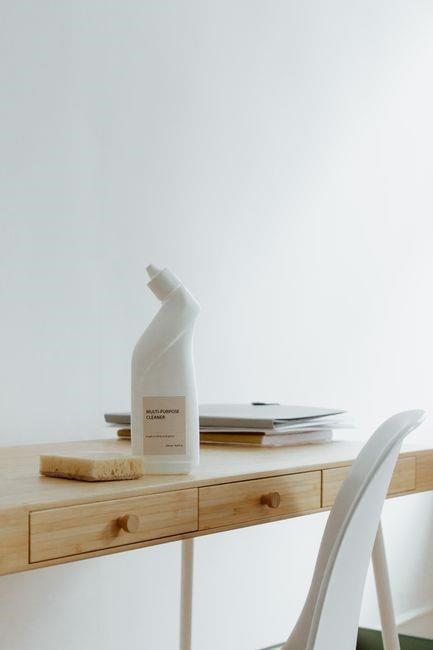
Explore the checklist’s core areas: Kitchen, Bathroom, Living Room, Bedrooms, Hallways, and Special Zones like Basements and Outdoor Spaces. Each section lists targeted tasks, from countertop sanitizing to baseboard dusting, ensuring no corner is overlooked during your deep clean. All tasks are checklist.
Room-by-Room Task Breakdown
Begin with the living area: dust all surfaces, vacuum upholstery, clean windows, and wipe baseboards. Move to the kitchen—scrub countertops, disinfect sinks, wipe cabinet fronts, and clean appliance interiors. In the dining room, polish tables, polish chairs, and vacuum rugs. Bedrooms demand mattress vacuuming, changing linens, and organizing closets. Bathrooms require scrubbing showers, tubs, toilets, and sanitizing mirrors. Hallways need floor sweeping, light fixture cleaning, and door frame dusting. The basement and attic call for decluttering, dusting, and checking for moisture. Finally, the exterior: sweep porches, clean windows, outdoor furniture. Each room’s tasks are listed in the PDF, ensuring a thorough, step‑by‑step approach.
Use the PDF by printing on heavy‑weight paper or viewing on a tablet. Mark tasks with a checkmark and. Prioritize high‑traffic areas first, then move to storage spaces. Customize the list by adding personal chores, like cleaning the garage or polishing hardwood floors. Keep the checklist in a visible spot—fridge, hallway, or a dedicated binder, keeping your home pristine year after year.
After each cycle, update the checklist for new tasks or seasonal items. Share the PDF with roommates or family to distribute chores evenly. Store completed copies in a folder keeping your home pristine year after year.

Kitchen Deep Cleaning Tasks
Start by wiping all countertops, including the backsplash, and disinfecting the sink. Clean the refrigerator interior, defrost if needed, and wipe shelves. Scrub the stove top, oven cavity, and microwave. Vacuum or mop the floor, and empty the trash bin and sweep
From Countertops to Appliance Interiors
Begin by clearing all items from countertops and wiping them with a pH‑neutral cleaner that tackles grease and grime. Use a microfiber cloth to polish the backsplash removing any built‑up residue. Next, focus on the stove top: soak the grates in hot, soapy water scrub with a non‑abrasive pad and rinse thoroughly. For the oven apply a baking soda paste let it sit overnight then wipe clean with a damp cloth. The microwave interior should be sprayed with vinegar and lemon left for a few minutes and wiped away with a soft sponge. Inside the refrigerator discard expired items wipe shelves with warm soapy water and run a cycle with a cup of baking soda to neutralize odors. Don’t forget the freezer coils vacuum them to prevent dust buildup. The dishwasher should be cleaned by placing a cup of vinegar on the top rack and running a hot cycle. Finally, sweep or vacuum the floor mop with a mild disinfectant replace all items in an orderly fashion. This systematic approach ensures every surface is sanitized reducing allergens and improving indoor air quality. Download the free PDF checklist to keep track of each step and maintain a spotless kitchen throughout the year. By following this checklist you’ll not only achieve a cleaner home but also create a healthier environment for your family reducing the risk of allergies and respiratory issues. Each ticked box serves as a reminder that no area is overlooked and the cumulative effect of consistent cleaning dramatically improves indoor air quality surface longevity and overall well‑being Stay organized

Bathroom and Bedroom Tasks
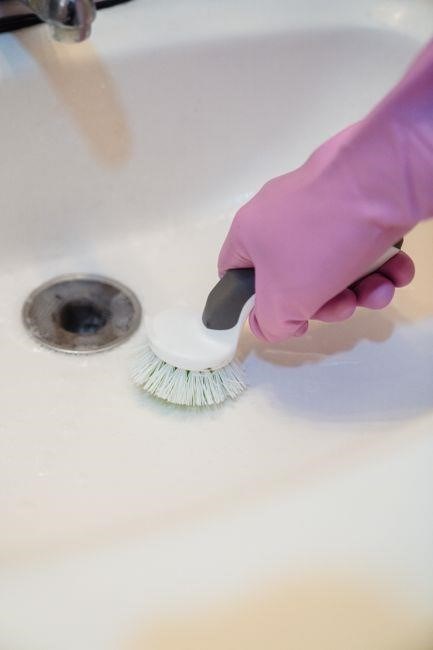
Use the free PDF to tackle bathroom tiles, grout, and shower heads with vinegar and baking soda. In bedrooms, vacuum carpets, declutter drawers, and sanitize mirrors. Follow each step to reduce mold and keep spaces fresh. Remember to sanitize bathroom fixtures and replace shower curtains prevent mildew;
Sanitization and Declutter Steps
Start by gathering eco‑friendly disinfectants—vinegar, hydrogen peroxide, and a microfiber cloth. Spray surfaces in the bathroom, including countertops, sinks, and shower walls, allowing the solution to sit for 10 minutes before wiping. For tiles, mix baking soda with water to form a paste, apply to grout lines, scrub with a stiff brush, rinse, and dry. Replace shower curtains with a fresh, mildew‑free one and clean the toilet bowl with a pumice stone for stubborn stains. In bedrooms, remove all items from drawers and closets, sort into keep, donate, and discard piles. Vacuum carpets and rugs, then spot‑clean any stains with a gentle, non‑abrasive cleaner. Wipe down all furniture with a damp cloth, paying special attention to door handles and light switches. Finally, open windows to allow fresh air to circulate, leaving the space refreshed and sanitized, this step‑by‑step approach ensures every surface is disinfected and clutter is minimized, supporting a healthier, more organized home environment.
Additionally, use a steam cleaner on tile grout and bathroom fixtures to kill germs without chemicals. For bedrooms, consider a rotating schedule: weekly dusting, monthly deep vacuuming, and quarterly wardrobe audits. Keep a labeled bin system for items to donate, ensuring a tidy, clutter‑free environment that promotes relaxation and better sleep. Finally, schedule a quarterly deep clean of the attic and basement, wiping dust from vents, checking for mold, and ensuring proper ventilation to maintain a climate.

Specialized Areas Covered
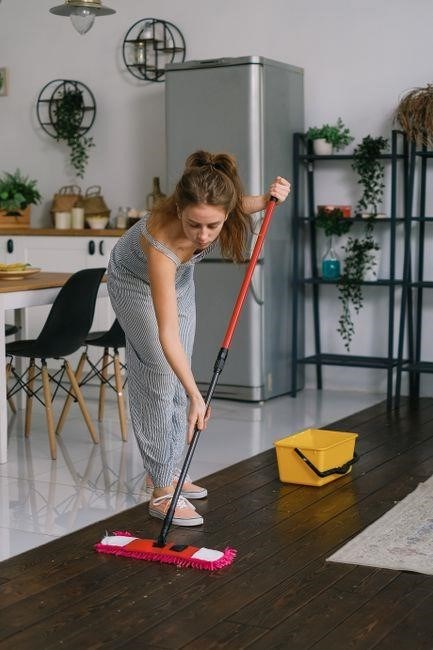
Basements, and exteriors demand extra care. Use a damp mop for basement floors, vacuum crawl spaces, and seal leaks. In remove insulation dust, check for pests, and clean vents. For exteriors, wash siding, trim, and sweep gutters, ensuring a fresh, safe home. PDF lists tasks for reference today. All!
Basement, Attic, and Exterior Cleaning
Basements often harbor damp, mold, and hidden clutter. Start by inspecting for leaks, sealing cracks, and installing a dehumidifier if moisture persists. Sweep or vacuum the floor, then mop with a disinfectant solution. Remove stored items, wipe shelves, and discard expired food or hazardous materials. In the attic, check insulation for damage, clear debris, and ensure proper ventilation. Clean vents, replace old filters, inspect for pest activity. Exterior tasks include power‑washing siding, cleaning gutters, and trimming overgrown vegetation. Sweep driveways, patios, and walkways, and remove any mildew or algae. Use a mild bleach solution or commercial cleaner for stubborn stains. Finally, inspect windows, replace weather stripping, and clean exterior light fixtures. A thorough, systematic approach keeps your home safe, healthy, and ready for any season. In the attic, inspect the roof’s flashing for signs of water damage, replace damaged shingles, and clean any accumulated insulation to prevent mold growth. Check attic vents for blockages, and ensure proper airflow. For exterior cleaning, scrub the exterior walls with a mild detergent, remove moss from roof edges, and trim shrubs to improve curb appeal. Clean the chimney, inspect for cracks, and sweep out soot. Inspect the foundation for cracks, seal them, and keep the area dry. Finally, test all exterior doors and windows for proper seals, replace weather stripping where needed, and clean the exterior light fixtures with a soft brush to restore brightness. Check roof for leaks and seal cracks
Printing and Using the Checklist Effectively
Choose a sturdy paper, set your printer to high quality, and use the PDF’s built‑in margins. Print each page, laminate if needed, and attach a dry marker for easy updates. Keep a copy on the fridge for quick reference. Use it daily; Use cardstock.!
Paper Types, Settings, and Marking Off
When printing your free deep‑cleaning checklist, choose high‑weight paper (120‑140 gsm) to avoid tearing when you mark. A matte finish reduces glare, making it easier to read under bright lights. For a durable copy, consider cardstock or a thin, thick paper stock that can be laminated afterward. If you prefer a lightweight option, standard 80‑gsm printer paper works, but it may crease when you use a dry‑erase marker. Set your printer to “Best” or “High Quality” mode; this ensures crisp text and clear line‑drawings. Use the PDF’s built‑in margins to keep the layout intact—do not enable “fit to page” unless you’re sure the scale remains 100%. After printing, place a small, reusable dry‑erase marker on the side of the sheet. As you complete each task, mark it with a check‑mark or a colored dot. For long‑term storage, laminate the pages or use a clear sleeve; this protects the ink and allows you to wipe the surface clean. If you’re working digitally, open the PDF on a tablet and use a stylus to tick boxes directly. This method keeps the checklist flat and prevents paper wear. Remember to keep a backup copy on your computer or cloud storage so you can re‑print if needed. By selecting the right paper, setting your printer correctly, and marking tasks efficiently, you’ll keep your deep‑cleaning schedule organized and stress‑freeTip: Use a high‑quality marker in a contrasting color to see completed tasks. Keep the checklist in a spot, like the fridge or wall board, so you can check progress daily