Rare Blue Mountain Pottery Value Guide: A Comprehensive Overview (Updated 03/05/2026)
Discover the intricacies of Blue Mountain Pottery valuation, encompassing historical context, identifying marks, and current market trends as of today’s date.
Pieces range from $600 to $30,000, with WorthPoint offering extensive sold price data for accurate appraisals.
Blue Mountain Pottery, a cherished Canadian heritage, captivates collectors with its distinctive artistry and unique history. Originating from Beauceware, this pottery is renowned for its iconic blue drip glaze, transforming simple forms into highly sought-after collectibles. Today, March 5th, 2026, the market reflects a growing appreciation for these pieces, with values fluctuating based on rarity, condition, and form.
From swan vases to charming figurines, Blue Mountain Pottery embodies a blend of artistic expression and functional design. Understanding its origins, production techniques, and identifying characteristics is crucial for both seasoned collectors and those new to this captivating world. This guide provides a comprehensive overview, assisting in accurate appraisal and informed collecting decisions.
Historical Background of Blue Mountain Pottery
Blue Mountain Pottery’s story begins with the Beauceware Pottery Company, established in the 1950s in Warwick, Quebec. Initially producing functional stoneware, the company quickly gained recognition for its innovative blue drip glaze, a technique that became its signature. This distinctive aesthetic set it apart, attracting a devoted following across Canada and beyond.
The pottery’s evolution reflects changing tastes and production methods. Early pieces, often handmade, command higher values today due to their rarity. As demand grew, production became more streamlined, yet the commitment to quality and artistic expression remained. Understanding this historical trajectory is vital when assessing the value of any Blue Mountain Pottery piece.
The Beauceware Connection & Early Production
Beauceware Pottery, founded by Herbert and Joan Haddon, laid the foundation for what would become Blue Mountain Pottery. Early production focused on redware, a terracotta-based pottery, before the introduction of the iconic blue drip glaze. These initial pieces, often featuring simple forms, are increasingly sought after by collectors.
The Hadons’ artistic vision and dedication to craftsmanship defined the early years. Production was largely a family affair, with a small team of skilled artisans. This limited output contributes to the higher value of pieces from this period. Identifying these early Beauceware pieces is crucial for understanding the evolution of the Blue Mountain style.
Key Characteristics of Blue Mountain Pottery
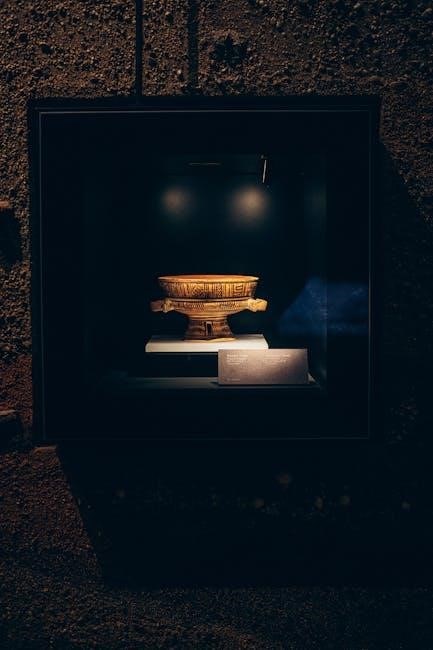
Blue Mountain Pottery is instantly recognizable due to its distinctive features. The pottery primarily utilizes a rich, red terracotta clay body, providing a warm base for the signature glaze. Pieces showcase a variety of forms, from elegant swan vases to practical bowls and figurines. However, the defining characteristic is undoubtedly the vibrant, flowing blue drip glaze.
This glaze, applied by hand, creates unique patterns on each piece, ensuring no two are exactly alike. The quality and consistency of the glaze, alongside the form, significantly impact a piece’s value. Collectors prize pieces with well-executed, even drips.
The Distinctive Blue Drip Glaze
The iconic blue drip glaze is the heart of Blue Mountain Pottery’s appeal. This wasn’t a uniform application; each piece received a hand-applied glaze, resulting in wonderfully unique variations. The intensity and evenness of the blue drip directly correlate to value, with richer, more consistent drips being highly sought after.
Early pieces often exhibit a deeper, more saturated blue, while later production sometimes features lighter shades. Collectors carefully examine the glaze for imperfections, as these can detract from a piece’s worth. The fluidity and artistic quality of the drip are paramount.
Common Pottery Forms & Shapes
Blue Mountain Pottery produced a diverse range of forms, though certain shapes are more prevalent and influence collectibility. Swan vases consistently rank among the most desired pieces, commanding premium prices. Figurines, particularly those depicting animals, also enjoy strong demand.
Beyond these, bowls, plates, and serving dishes were common outputs. Unusual or less frequently produced forms, like specific decorative items or uniquely shaped vases, tend to be more valuable. The overall aesthetic and artistic merit of the form contribute significantly to its market value.
Factors Influencing Blue Mountain Pottery Value
Several key elements determine the value of Blue Mountain Pottery. Rarity is paramount; limited-edition pieces or those with unusual designs fetch higher prices. Condition plays a crucial role, with pieces free from chips, cracks, or repairs commanding significant premiums. Restoration, if present, diminishes value considerably.
Size and dimensions also impact worth, with larger or more substantial pieces often being more desirable. The presence of clear and legible backstamps, alongside the overall aesthetic appeal, further contribute to a piece’s market value and collector interest.
Rarity of the Piece
The scarcity of a Blue Mountain Pottery item is a primary driver of its value. Limited production runs, experimental glazes, or unique forms automatically increase desirability among collectors. Pieces created for specific events or commissioned works are exceptionally rare, often achieving substantial prices at auction.
Swan vases, particularly those in pristine condition, are consistently sought after. Identifying truly rare pieces requires diligent research, comparing against known production records and consulting with experienced appraisers. Rarity directly correlates to demand, influencing the final sale price.
Condition and Restoration
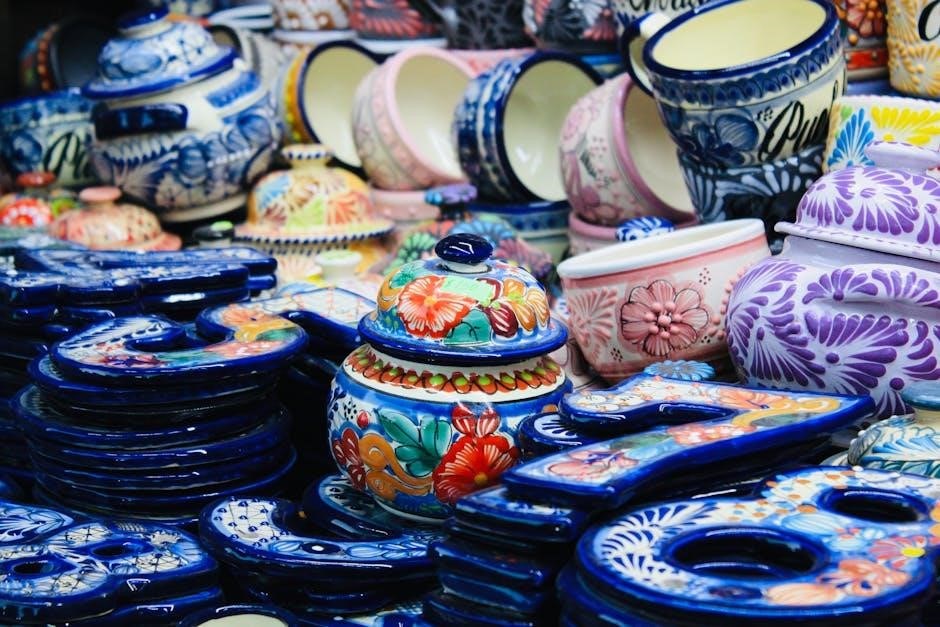
The condition of Blue Mountain Pottery significantly impacts its value. Pieces in mint condition, free from chips, cracks, or repairs, command the highest prices. Even minor flaws can substantially reduce worth. Professional restoration can sometimes mitigate damage, but it’s rarely invisible and often diminishes value compared to original, undamaged pieces.
Collectors generally prefer unrestored pottery, valuing authenticity. Disclosing any restoration work is crucial for ethical selling. Thoroughly examine pieces for hairline fractures or repairs before appraisal, as these details are critical in determining accurate market value.
Size and Dimensions
Size plays a crucial, yet nuanced, role in Blue Mountain Pottery valuation. While larger pieces aren’t always more valuable, they often are, particularly with rarer forms like swan vases or substantial serving dishes. However, exceptionally large pieces with common shapes may not fetch premium prices.
Dimensions are vital for accurate appraisal and comparison with sold listings on platforms like WorthPoint and 1stDibs. Detailed measurements help establish a piece’s rarity within a specific form. Smaller, intricately detailed figurines can be highly sought after, regardless of overall size.
Identifying Blue Mountain Pottery Marks & Signatures
Decoding Blue Mountain Pottery marks is fundamental to authentication and value assessment. Early pieces often bear impressed marks, sometimes indistinct, while later production utilized painted signatures. These marks evolved over time, making precise dating challenging.
Look for variations in the “Blue Mountain Pottery” inscription, alongside potential additions like “Beauceware” or artist initials. Backstamps, detailed later, provide further clues. Absence of a mark doesn’t automatically disqualify a piece, but significantly impacts value. Thorough research using WorthPoint’s database is crucial for accurate identification.
Decoding Blue Mountain Pottery Backstamps
Blue Mountain Pottery backstamps offer vital clues to a piece’s age and origin. Early backstamps were often simple, featuring the “Blue Mountain Pottery” name and potentially “Canada”. Later iterations incorporated more elaborate designs, including maple leaves and stylized fonts.
Variations in backstamp size, color, and font indicate different production periods. The presence of a specific backstamp can significantly influence a piece’s desirability and market value. Consulting comprehensive resources like WorthPoint’s extensive database is essential for accurate decoding and establishing authenticity.
Popular & Highly Collectible Blue Mountain Pottery Pieces
Swan vases consistently rank among the most sought-after Blue Mountain Pottery items, commanding premium prices due to their graceful form and iconic status. Figurines, particularly animal sculptures, also enjoy strong collector demand, with rarer species fetching substantial sums.
Bowls, plates, and serving dishes, especially those exhibiting exceptional glaze application or unique designs, contribute significantly to a collection’s overall value. Pieces in pristine condition, retaining their original luster, are highly prized by discerning collectors and often appear on 1stDibs.
Swan Vases – A Collector’s Favorite
Blue Mountain Pottery swan vases are undeniably the cornerstone of many collections, celebrated for their elegant design and the distinctive blue drip glaze. These vases represent the artistry and craftsmanship synonymous with Beauceware and early Blue Mountain production. Their popularity directly influences their market value, often exceeding that of other forms.
Variations in size, glaze intensity, and the presence of unique markings contribute to individual swan vase valuations. Collectors actively seek these pieces, driving demand and ensuring continued appreciation in the antique market, as evidenced by listings on platforms like 1stDibs.
Figurines and Animal Sculptures
Beyond the iconic swan vases, Blue Mountain Pottery figurines and animal sculptures hold significant appeal for collectors. These pieces showcase a diverse range of subjects, from charming woodland creatures to more elaborate depictions of birds and domestic animals. The quality of the sculpting and the application of the signature blue drip glaze are key determinants of value.
Rarity plays a crucial role; less common animal forms command higher prices. Condition is paramount, with pristine examples fetching substantial sums. These figurines, often found in estate sales and antique shops, represent a tangible link to Canadian heritage and artistic tradition.
Bowls, Plates, and Serving Dishes
Blue Mountain Pottery’s bowls, plates, and serving dishes represent functional art, blending practicality with the distinctive aesthetic of Beauceware. While generally more common than swan vases or rare figurines, certain patterns, sizes, and forms can achieve notable value. Larger serving pieces, particularly those with intricate detailing or unusual shapes, are highly sought after.
The condition significantly impacts pricing; chips, cracks, or excessive wear diminish value. Complete sets are considerably more valuable than individual pieces. Collectors often seek these items to enhance bohemian or cottagecore home decor styles, driving demand and influencing market prices.
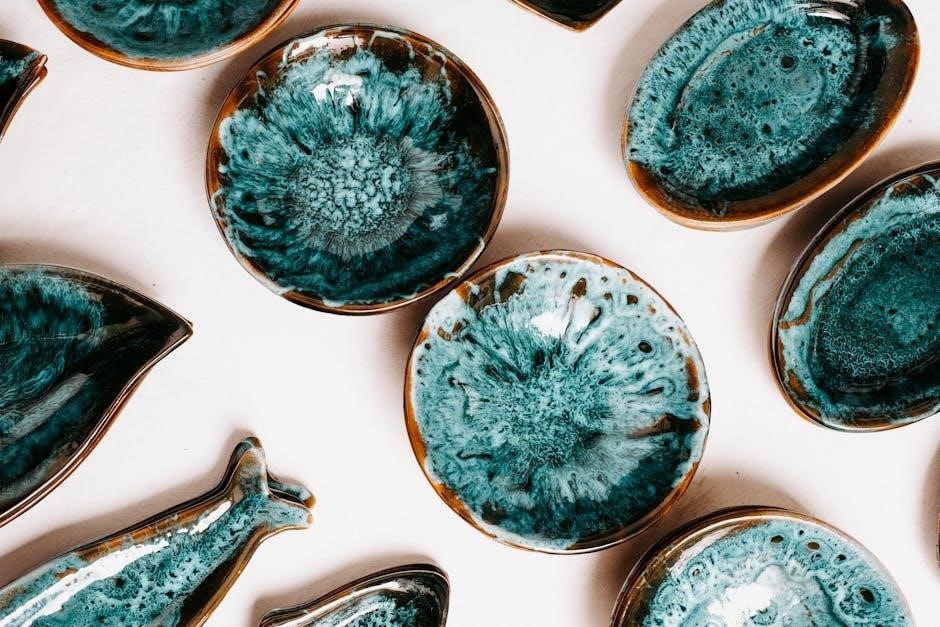
Blue Mountain Pottery Value Ranges (2026 Estimates)
Estimating Blue Mountain Pottery value requires considering numerous factors, but broad ranges can be established for 2026. Low-end, common pieces – simple bowls or plates in standard glazes – typically fall between $50 and $600. Mid-range, desirable forms like smaller vases or figurines, command prices from $600 to $3,250, reflecting increased rarity and collector interest.
However, exceptional and rare items, such as large swan vases or uniquely decorated pieces, can reach astonishing values, exceeding $30,000. These high-end prices are driven by scarcity, condition, and provenance, making accurate appraisal crucial.
Low-End Value (Common Pieces)
Common Blue Mountain Pottery pieces generally represent the entry point for collectors, with values typically ranging from $50 to $200. These include frequently found items like smaller, undecorated bowls, basic plates, and simpler serving dishes. Pieces exhibiting wear, minor chips, or faded glaze fall within this bracket.
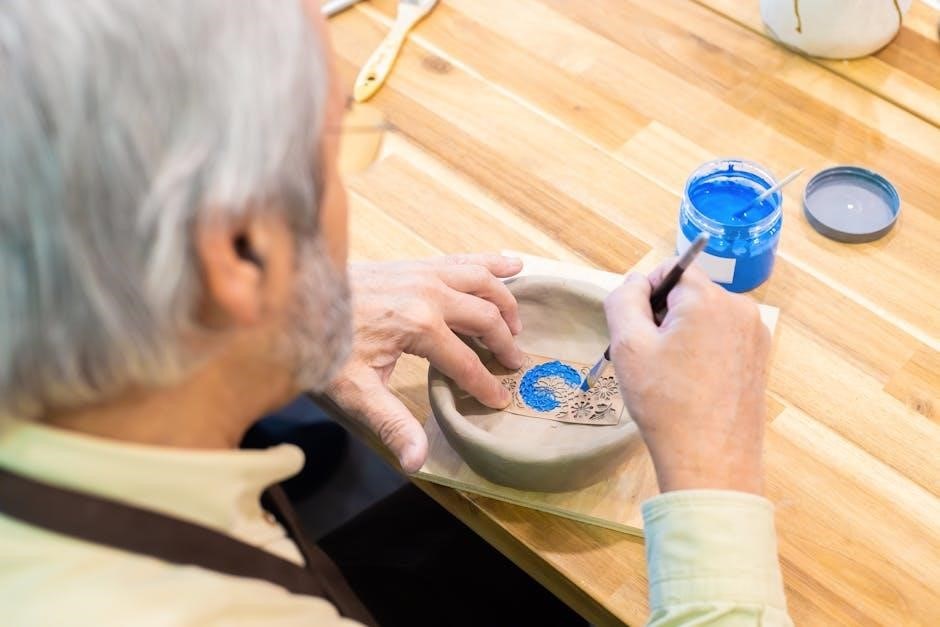
While still representative of the Beauceware tradition, their widespread availability and condition contribute to the lower price point. Expect to find these pieces at antique stores, flea markets, and online marketplaces, offering affordable access to this Canadian pottery heritage.
Mid-Range Value (Desirable Forms)
Blue Mountain Pottery pieces falling into the mid-range, typically valued between $200 and $800, represent more sought-after forms and designs. This category includes medium-sized vases, uniquely shaped bowls, and figurines in good condition. Pieces with vibrant, well-preserved blue drip glaze command higher prices.
Items exhibiting artistic merit or unusual detailing also contribute to increased value. Online marketplaces like 1stDibs showcase examples within this range, reflecting collector demand. Condition remains crucial; minor imperfections may slightly reduce the price, but overall desirability sustains value.
High-End Value (Rare & Exceptional Items)
Exceptional Blue Mountain Pottery pieces, often exceeding $1,000 and reaching upwards of $30,000, represent the pinnacle of collectibility. These are typically large-scale, intricately designed items, or extremely rare forms like limited-edition swan vases or unique animal sculptures.
Impeccable condition is paramount for achieving top-tier valuations. Pieces with documented provenance – a clear history of ownership – further enhance their desirability. 1stDibs listings demonstrate the potential for significant returns on investment for these rare treasures, appealing to discerning collectors willing to pay a premium.
Where to Find Blue Mountain Pottery for Sale
Locating Blue Mountain Pottery requires a multi-faceted approach. Antique stores and flea markets, particularly within the GTA, Hamilton, and Toronto areas of Canada, often yield hidden gems. Online marketplaces like 1stDibs and eBay provide broader selections, though careful vetting of sellers is crucial.
Canadian antique dealers specializing in pottery are invaluable resources. Attending local auctions can also present opportunities, but research comparable sales beforehand. Remember to factor in shipping costs and potential restoration needs when evaluating prices across different platforms.
Antique Stores & Flea Markets
Antique stores and flea markets represent a traditional hunting ground for Blue Mountain Pottery enthusiasts. The thrill of the chase and potential for discovering undervalued pieces are significant draws. Focus your search within regions known for Canadian antiques, like Ontario, specifically the Greater Toronto Area (GTA), Hamilton, and surrounding communities.
Regularly visiting local markets and building relationships with dealers can provide access to new inventory. Patience is key, as finding specific, rare forms may take time. Inspect pieces carefully for damage and authenticity before purchasing, and always negotiate prices.
Online Marketplaces (1stDibs, eBay, etc.)
Online platforms like 1stDibs and eBay offer a vast selection of Blue Mountain Pottery, providing convenient access to a global market. 1stDibs often features higher-end pieces, with prices potentially reaching $3,250 and beyond, while eBay can yield more affordable finds. Thoroughly examine listings, scrutinizing photos for condition and markings.
Utilize detailed search terms and filter options to refine your results. Compare prices across multiple listings to gauge fair market value. Be mindful of shipping costs and seller reputations before committing to a purchase, and always prioritize secure payment methods.
Canadian Antique Dealers & Auctions (GTA, Hamilton, Toronto)
The Greater Toronto Area (GTA), Hamilton, and Toronto boast a thriving network of antique dealers and auction houses specializing in Canadian pottery. These local experts offer curated selections and valuable insights into Blue Mountain Pottery’s provenance and value. Attending auctions provides opportunities to acquire unique pieces, potentially at competitive prices.
Networking with reputable dealers can unlock access to hidden gems and expert appraisals. Research upcoming auctions and dealer inventories, and consider attending preview events to inspect items firsthand. Local knowledge often translates to accurate valuations and authentic pieces.
Resources for Appraising Blue Mountain Pottery
Accurate appraisal is crucial for insurance and sales purposes. WorthPoint stands as the largest online resource, providing access to over 425 million sold price records, detailed item descriptions, and accompanying images. This extensive database allows for comparative analysis and informed valuation estimates.
For a professional opinion, consider engaging a certified antique appraiser. These experts possess specialized knowledge and can assess authenticity, condition, and market value. They provide detailed appraisal reports accepted by insurance companies and legal entities, ensuring a comprehensive and reliable assessment of your collection.
WorthPoint & Sold Price Databases
WorthPoint is an invaluable tool for Blue Mountain Pottery enthusiasts seeking to determine value. Its expansive database catalogs millions of sold items, offering a realistic view of current market prices. Users can refine searches by pottery form, glaze type, and specific markings to pinpoint comparable pieces.
Analyzing sold price histories reveals trends and fluctuations in demand. This data-driven approach surpasses subjective estimations, providing concrete evidence to support appraisal values. Remember to consider condition and rarity when interpreting results, as these factors significantly impact final sale prices.
Professional Antique Appraisers
Engaging a qualified antique appraiser offers a nuanced valuation beyond online databases. Experts possess specialized knowledge of Blue Mountain Pottery, recognizing subtle variations impacting worth. They assess authenticity, condition, and historical significance with trained eyes.
A professional appraisal provides a formal document suitable for insurance purposes or estate settlements. Look for appraisers accredited by reputable organizations, ensuring unbiased and accurate assessments. While incurring a fee, their expertise can unlock the true value of your collection, especially for rare or complex pieces.
Blue Mountain Pottery in Home Decor Styles
Blue Mountain Pottery’s unique aesthetic seamlessly integrates into diverse interior design themes. Its distinctive blue drip glaze complements Bohemian and Cottagecore styles, adding a touch of rustic charm. The pottery also finds a place in Mid-Century Modern displays, offering a vintage counterpoint to clean lines.
Collectors often incorporate pieces into Retro arrangements, celebrating its Canadian heritage. Whether displayed as focal points or integrated into curated vignettes, Blue Mountain Pottery enhances Farmhouse, Shabby Chic, and even contemporary spaces, offering a sustainable and unique decorative element.
Bohemian & Cottagecore Aesthetics
Blue Mountain Pottery’s organic forms and earthy tones resonate deeply within Bohemian and Cottagecore design philosophies. The pottery’s handcrafted quality and subtle imperfections align with the emphasis on natural materials and artisanal craftsmanship central to these styles. Swan vases and animal figurines become focal points, enhancing layered textures and eclectic displays.
Its blue glaze introduces a calming, nature-inspired hue, blending seamlessly with floral patterns, vintage textiles, and collected treasures. Pieces contribute to a relaxed, inviting atmosphere, embodying the free-spirited essence of Boho and the cozy comfort of Cottagecore, creating a uniquely personal space.
Mid-Century Modern & Retro Displays
Despite its origins predating the peak of Mid-Century Modernism, Blue Mountain Pottery surprisingly complements this aesthetic. The pottery’s sculptural forms and distinctive glaze offer a textural counterpoint to clean lines and geometric patterns. Bowls, plates, and serving dishes integrate well into retro dining setups, adding a touch of handcrafted warmth.
The unique blue drip glaze provides a pop of color, harmonizing with the era’s favored palettes of avocado green, mustard yellow, and burnt orange. Displaying pieces alongside vintage furniture and accessories creates a curated, nostalgic ambiance, celebrating the design sensibilities of the past.
Caring for and Preserving Blue Mountain Pottery
Preserving the value and beauty of your Blue Mountain Pottery requires gentle care. Avoid abrasive cleaners, opting instead for mild soap and warm water. Handwashing is strongly recommended, as dishwashers can damage the delicate glaze. When displaying, ensure stable surfaces to prevent accidental falls and potential breakage.
Protect pieces from extreme temperature fluctuations and direct sunlight, which can cause fading or cracking. For storage, wrap each item individually in acid-free tissue paper and pack securely in a padded box. Regular dusting with a soft cloth maintains luster and prevents dust buildup, safeguarding your investment.
Avoiding Common Mistakes When Buying Blue Mountain Pottery
Beware of reproductions or pieces with significant damage disguised as vintage finds. Thoroughly inspect for cracks, chips, or repairs, especially around the rim and base; Verify authenticity by carefully examining the backstamp – inconsistencies can indicate a fake. Research current market values using resources like WorthPoint to avoid overpaying.
Exercise caution when purchasing online, requesting detailed photos and provenance information from the seller. Be wary of vague descriptions or lack of seller history. Prioritize pieces in original condition; restoration can diminish value. Trust your instincts and don’t hesitate to ask questions before committing to a purchase.
The Future of Blue Mountain Pottery Collecting
The market for Blue Mountain Pottery remains robust, fueled by its Canadian heritage and unique aesthetic. Increased awareness and online accessibility are attracting new collectors, potentially driving up prices for rare forms like swan vases and animal figurines. Sustainability and a desire for unique, vintage décor are also contributing factors.
Expect continued interest in pieces with strong provenance and exceptional glaze quality. Investment potential exists, particularly for pristine examples. However, discerning collectors will prioritize authenticity and condition. The future likely holds a continued appreciation for this iconic Canadian pottery, solidifying its place in antique markets.
Blue Mountain Pottery: Canadian Heritage & Significance
Blue Mountain Pottery embodies a significant chapter in Canadian ceramic history, originating from Beauceware and flourishing throughout the mid-20th century. Its distinctive blue drip glaze became synonymous with Canadian craftsmanship and design. The pottery’s production, largely concentrated in Ontario (Hamilton, Toronto, GTA), fostered local economies and artistic expression.
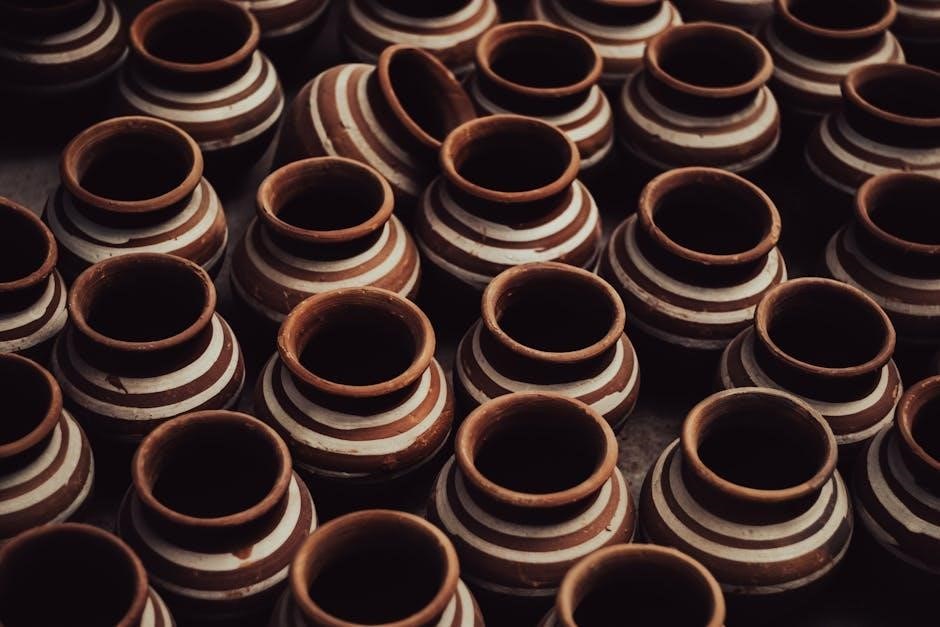
Beyond its aesthetic appeal, Blue Mountain Pottery represents a tangible connection to Canada’s past. Collecting these pieces isn’t merely acquiring antiques; it’s preserving a cultural legacy. Its enduring popularity reflects a national pride and appreciation for uniquely Canadian artistry, influencing its value and collectibility.
Comparing Blue Mountain Pottery to Similar Pottery Styles (e.g., McCoy, Clarice Cliff)
While sharing the mid-century aesthetic, Blue Mountain Pottery distinguishes itself from American McCoy and British Clarice Cliff. McCoy often features bolder, more geometric designs, while Clarice Cliff is renowned for hand-painted, whimsical patterns. Blue Mountain’s signature lies in its fluid, organic blue drip glaze – a technique less common in these other styles.
Value-wise, rare pieces of all three can reach substantial prices, but Blue Mountain’s Canadian origin and limited production contribute to its unique market. Compared to the mass-produced McCoy, certain Blue Mountain forms are scarcer, driving up collector demand and, consequently, their appraised value.
Understanding the Impact of Location on Value (Canada vs. US/UK)
Blue Mountain Pottery generally commands higher prices within Canada, reflecting its national heritage and stronger collector base. While interest exists in the US and UK, shipping costs and import duties can significantly impact affordability for overseas buyers. Demand in these regions often centers around unique or particularly rare pieces.
Canadian antique dealers in the GTA, Hamilton, and Toronto frequently showcase Blue Mountain Pottery, fostering competitive pricing. Online marketplaces like 1stDibs and eBay demonstrate a broader, global reach, but prices can fluctuate based on seller location and perceived rarity. Ultimately, provenance and condition remain key value determinants, regardless of geography.