Black & Decker’s food steamer and rice cooker delivers tasty meals quickly, utilizing a Flavor Scenter for enhanced taste – a valuable, fast steaming appliance!
What is a Black & Decker Handy Steamer?
The Black & Decker Handy Steamer, encompassing models like HS80 and HS90, is a versatile kitchen appliance designed for both steaming food and cooking rice․ It’s a compact and efficient solution for preparing healthy meals quickly․ This appliance features a fast steam function, capable of having dinner ready in under a minute, making it ideal for busy lifestyles․
It functions as both a vegetable steamer and a rice cooker, offering convenience and value․ The inclusion of a Flavor Scenter screen allows for adding wine or broth to enhance the taste of your dishes․ It’s a classic home food steamer, simplifying meal preparation and promoting healthier eating habits․

Benefits of Using a Handy Steamer
Utilizing a Black & Decker Handy Steamer offers numerous advantages for the home cook․ Its fast steam feature drastically reduces cooking time, delivering meals in less than a minute․ Steaming preserves essential nutrients in vegetables, promoting a healthier diet compared to boiling or frying․ The appliance’s dual functionality – steaming and rice cooking – minimizes kitchen clutter and simplifies meal preparation․
The Flavor Scenter allows for infusing dishes with extra taste, elevating simple meals․ It’s a convenient and efficient way to prepare healthy food, perfect for individuals and families alike․ Ultimately, the Handy Steamer provides value, speed, and nutritional benefits․

Understanding Your Model: HS80 & HS90
Black & Decker offers the HS80 and HS90 Handy Steamers, both versatile for steaming and rice cooking, though specific features may differ between models․
Identifying Your Specific Model Number
Locating your Black & Decker Handy Steamer’s model number is crucial for finding the correct replacement parts, accessing specific manuals, and troubleshooting effectively․ The model number, such as HS80 or HS90, is typically found on a sticker located on the bottom or back of the steamer unit․
Carefully inspect the appliance’s base and rear panel․ If you’re having trouble finding it, consult any original packaging or documentation that came with your steamer․ Knowing your exact model ensures compatibility when ordering parts or seeking assistance, guaranteeing a proper fit and optimal performance․ Start with your model number to streamline the repair process!
Key Features of the HS80 Model
The Black & Decker HS80 Handy Steamer is a versatile kitchen appliance designed for both steaming and rice cooking․ It features a compact design, making it ideal for smaller kitchens or limited counter space․ This model efficiently steams vegetables, fish, and other foods, preserving their nutrients and flavor․
The HS80 also functions as a rice cooker, providing a convenient way to prepare perfectly cooked rice․ Its simple operation and easy cleanup make it a user-friendly choice for everyday cooking․ Diagrams and repair parts are readily available online, ensuring longevity and ease of maintenance․
Key Features of the HS90 Model
The Black & Decker HS90 Handy Steamer builds upon the functionality of the HS80, offering a similar compact design for steaming and rice cooking․ This model, often found without its original box, includes directions for use and provides a convenient solution for quick and healthy meals․
Like the HS80, the HS90 excels at preserving nutrients while steaming various foods․ It simplifies rice preparation, delivering consistent results․ Finding replacement parts, including genuine OEM components, is facilitated through online resources, ensuring the steamer’s continued performance and usability․
Parts of the Black & Decker Handy Steamer
Essential components include a steaming basket, rice tray, water reservoir with a measuring cup, and the heating plate housed within the exterior casing for operation․
Steaming Basket & Rice Tray
The steaming basket is crucial for healthy cooking, allowing steam to circulate around food, preserving nutrients and flavor without added fats․ It’s designed to hold various vegetables, fish, or even smaller portions of meat․ The rice tray, specifically designed for even cooking, sits within the steamer and provides a dedicated space for preparing rice․
Proper placement of both the basket and tray is vital for optimal performance․ Ensure the basket isn’t overcrowded to allow for consistent steam penetration․ The rice tray’s design ensures even heat distribution, preventing sticking and ensuring fluffy, perfectly cooked rice every time․ These components are typically removable for easy cleaning, contributing to the steamer’s overall convenience․
Water Reservoir & Measuring Cup
The water reservoir is the heart of the steaming process, holding the water that converts into steam to cook your food․ It’s essential to fill this reservoir to the correct level, guided by the markings for rice or steaming, to ensure sufficient steam generation without overflow․ The included measuring cup is specifically designed to accurately measure the water needed for different recipes․
Using the correct water-to-food ratio is critical for successful steaming and rice cooking․ Always refer to the guidelines in the user manual․ Regularly cleaning the reservoir prevents mineral buildup, maintaining optimal performance and extending the steamer’s lifespan․ Proper water levels guarantee perfectly cooked meals․
Heating Plate & Exterior Housing
The heating plate is the component responsible for rapidly boiling water, creating the steam that cooks your food․ It’s designed for efficient heat transfer and consistent performance․ The exterior housing, typically made of durable plastic, encases the internal components, providing insulation and protecting users from hot surfaces․
Regularly wiping down the exterior housing with a damp cloth keeps your steamer looking its best․ Avoid abrasive cleaners that could damage the finish․ Ensure the heating plate remains free of food debris to maintain optimal functionality․ Proper care of both elements ensures longevity and safe operation․

How to Use Your Handy Steamer for Rice Cooking
Utilize the rice tray within the steamer; add measured rice and water according to guidelines for perfectly cooked, fluffy rice every time!
Preparing the Rice
Begin by measuring the desired amount of rice using a standard measuring cup․ Different rice varieties may require slightly adjusted water levels, so consulting a rice cooking chart is beneficial․ Rinse the rice thoroughly under cold water until the water runs clear; this removes excess starch, preventing stickiness․ Place the rinsed rice directly into the designated rice tray of your Black & Decker Handy Steamer․ Ensure the tray is clean and fits securely within the steamer unit․ Proper rice preparation is crucial for achieving optimal cooking results and a consistently delicious outcome․
Water Level Guidelines for Rice
For white rice, a general guideline is to use a 1:1 ratio of rice to water – for every cup of rice, add one cup of water․ Brown rice typically requires more water, around 1․5 to 2 cups of water per cup of rice․ Carefully pour the measured water into the water reservoir of the Handy Steamer, avoiding exceeding the maximum fill line․ Accurate water levels are vital; too little water results in undercooked rice, while too much leads to a soggy texture․ Always refer to your specific model’s instructions for precise measurements․
Cooking Process for Rice
Begin by placing the prepared rice into the designated rice tray within the Black & Decker Handy Steamer․ Securely position the tray inside the unit, ensuring it sits correctly on the base․ Close the steamer lid and plug the appliance into a grounded electrical outlet․ The Handy Steamer’s fast steam feature quickly heats up, often cooking rice in under a minute! Once cooking is complete, the steamer will automatically switch to a warm setting․ Allow the rice to rest for 10 minutes before fluffing and serving for optimal texture․

How to Use Your Handy Steamer for Steaming Food
Prepare vegetables or other foods and place them in the steaming basket․ Add water to the reservoir, then power on for healthy, quick meals!
Preparing Vegetables for Steaming
Before steaming, thoroughly wash all vegetables under cool running water to remove any dirt or residue․ Cut larger vegetables, like carrots or broccoli, into uniform sizes to ensure even cooking․ Smaller vegetables, such as peas or green beans, can generally be steamed whole․
Consider the density of the vegetable; harder vegetables will require longer steaming times․ Leafy greens, like spinach, cook very quickly, while root vegetables need more time to become tender․ Arrange the vegetables in a single layer within the steaming basket to allow steam to circulate effectively․ Avoid overcrowding, as this can lead to unevenly cooked food․
Water Level Guidelines for Steaming
Proper water levels are crucial for successful steaming․ Generally, add enough water to the reservoir so it doesn’t directly touch the food in the steaming basket, preventing a soggy result․ For most vegetables, a water level of approximately 1 cup is sufficient for a standard steaming cycle․
However, adjust the amount based on the steaming duration; longer steaming times require more water․ Regularly check the water level during extended steaming and add more if needed․ Never overfill the reservoir, as this could cause boiling water to splash or affect the steamer’s performance․
Steaming Times for Different Foods
Steaming times vary significantly depending on the food type and desired tenderness․ Delicate vegetables like broccoli and spinach typically require just 5-7 minutes of steaming for a crisp-tender texture․ Root vegetables, such as carrots and potatoes, need a longer steaming time, around 15-20 minutes, until easily pierced with a fork․
Fish generally steams in 8-12 minutes, depending on thickness․ For perfectly cooked rice, refer to the dedicated rice cooking instructions․ Always check for doneness and adjust steaming times accordingly, ensuring food is thoroughly cooked before serving․
Cleaning and Maintenance
Regular cleaning ensures optimal performance and longevity of your Black & Decker steamer; promptly clean the steaming basket, water reservoir, and heating plate after each use․
Cleaning the Steaming Basket and Rice Tray
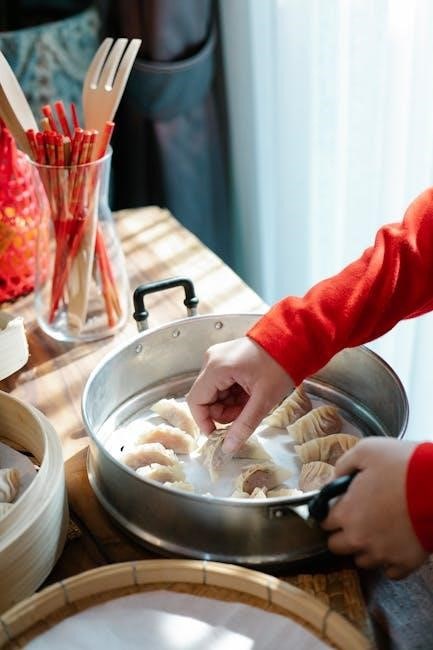
Thorough cleaning of the steaming basket and rice tray after each use is crucial for maintaining hygiene and preventing food residue buildup․ Both components are typically dishwasher safe, offering a convenient cleaning option․ However, hand washing with warm, soapy water is also effective, especially for stubborn stains․
Ensure all food particles are removed from the perforations of the steaming basket to allow for efficient steam circulation during subsequent use․ For the rice tray, pay attention to the non-stick coating; avoid abrasive cleaners or scouring pads that could damage the surface․ A soft sponge or cloth is recommended․ Rinse both thoroughly and allow to air dry completely before reassembling the steamer․
Cleaning the Water Reservoir
Regular cleaning of the water reservoir is essential to prevent mineral buildup and ensure optimal steamer performance․ After each use, empty any remaining water and wipe the reservoir with a soft, damp cloth․ For deeper cleaning, and to address potential limescale deposits, a descaling solution can be used periodically․
Follow the descaling solution’s instructions carefully, typically involving filling the reservoir with the solution and running a steaming cycle․ Afterwards, rinse the reservoir thoroughly with clean water, repeating several times to remove any residual descaling agent․ Ensure the reservoir is completely dry before reassembling the steamer to prevent contamination․
Descaling the Steamer
Over time, mineral deposits from water can accumulate inside your Black & Decker Handy Steamer, reducing its efficiency․ Descaling removes these deposits, ensuring optimal performance․ Fill the water reservoir with a descaling solution – commercially available options or a mixture of water and white vinegar can be used․
Run a full steaming cycle without food․ Afterward, thoroughly rinse the reservoir and steaming basket multiple times with fresh water to eliminate any lingering descaling solution residue․ Repeat the rinsing process until no scent remains, guaranteeing a clean and safe steaming experience․
Troubleshooting Common Issues
If your steamer isn’t heating, rice isn’t cooking, or steaming is ineffective, ensure proper water levels and a clean heating plate for optimal results․
Steamer Not Heating Up
If your Black & Decker Handy Steamer isn’t heating, first verify the unit is securely plugged into a functioning electrical outlet․ A simple test is to plug another appliance into the same outlet to confirm power․ Next, check the steamer’s base for any visible damage or obstructions that might prevent proper contact․
Ensure the water reservoir is correctly seated and making a solid connection with the heating element․ Sometimes, a slightly misaligned reservoir can interrupt the heating process․ Finally, confirm that the steamer hasn’t automatically shut off due to boiling dry – add water and try again․ If issues persist, consult a qualified repair technician․
Rice Not Cooking Properly
If rice isn’t cooking correctly in your Black & Decker Handy Steamer, the most common cause is an incorrect water-to-rice ratio․ Refer to the “Water Level Guidelines for Rice” section of this manual for precise measurements based on the amount of rice used․ Ensure you’re using the included rice tray for optimal results․
Also, verify the steamer is fully sealed during operation; a loose-fitting lid can disrupt the cooking process․ If the rice is consistently undercooked, slightly increase the water amount․ Conversely, if it’s mushy, reduce the water․ Consistent monitoring and adjustment are key to perfectly cooked rice․
Food Not Steaming Effectively
If food isn’t steaming adequately, first confirm sufficient water is in the reservoir – never operate dry! Ensure the food isn’t overcrowded in the steaming basket; proper air circulation is crucial for even steaming․ Check that the steamer basket is correctly positioned within the unit, allowing steam to flow freely․
For denser vegetables, consider slightly longer steaming times as outlined in the “Steaming Times for Different Foods” section․ Also, verify the unit is properly sealed to trap steam․ If issues persist, a thorough descaling (see “Descaling the Steamer”) may be necessary to clear any mineral buildup hindering steam production․
Finding Replacement Parts
Genuine OEM Black & Decker parts are essential for maintaining your steamer’s performance and longevity; resources are available online to quickly locate needed components․
Genuine OEM Black & Decker Parts
Utilizing Genuine OEM (Original Equipment Manufacturer) Black & Decker parts is paramount when repairing or maintaining your Handy Steamer․ These parts are specifically designed and tested to ensure a perfect fit and optimal performance, guaranteeing the continued efficiency and safety of your appliance․ Aftermarket parts, while potentially cheaper, often lack the quality and precision of genuine components, potentially leading to malfunctions or even safety hazards․
Sourcing genuine parts ensures compatibility with your specific model – HS80 or HS90 – and maintains the integrity of the original design․ Black & Decker prioritizes quality, and using their official replacement parts reflects that commitment․ Always verify the part number before purchasing to avoid errors and ensure a seamless repair process․ Prioritize genuine parts for lasting reliability․
Resources for Locating Parts
Finding replacement parts for your Black & Decker Handy Steamer (HS80 or HS90) is readily achievable through several avenues․ Official Black & Decker parts retailers are the most reliable source, guaranteeing authenticity and compatibility; Numerous online platforms specialize in appliance parts, offering a wide selection and competitive pricing; however, always confirm the part’s origin and suitability for your model․
Repair part websites often feature diagrams and detailed listings, simplifying the identification process․ Don’t hesitate to utilize the model number (HS80 or HS90) when searching․ Furthermore, exploring online forums and communities dedicated to Black & Decker appliances can provide valuable insights and recommendations from fellow users regarding part sourcing and availability․

Safety Precautions
Always prioritize electrical safety and prevent steam burns when operating your Black & Decker Handy Steamer; careful handling ensures safe and enjoyable cooking experiences․
Electrical Safety
To ensure safe operation, always verify the voltage indicated on the appliance matches your household supply․ Never operate the steamer with a damaged cord or plug; if damaged, it must be replaced by a qualified technician․ Avoid using extension cords if possible, and if necessary, ensure the cord is appropriately rated for the appliance’s wattage․
Never immerse the steamer base, cord, or plug in water or any other liquid to prevent electric shock․ Always unplug the appliance from the outlet when not in use and before cleaning․ Do not operate the steamer outdoors or in damp environments․ Keep the appliance away from heat sources and flammable materials․ Regularly inspect the cord for any signs of damage․
Steam Burn Prevention
Exercise extreme caution when operating the Black & Decker Handy Steamer, as hot steam can cause severe burns․ Avoid directing steam towards yourself or others․ Do not open the steamer lid during operation, as escaping steam can cause injury․ Always use oven mitts or pot holders when handling hot components, such as the steaming basket and lid․
Allow the steamer to cool completely before cleaning or storing․ Keep the appliance out of reach of children․ Never touch the heating plate or interior surfaces while the steamer is in use or immediately after․ Ensure proper ventilation during operation to prevent steam buildup and potential burns․ Be mindful of the hot steam when removing food․